







Search Results for: Summer Black grapes

The Hand-Peeling and Seed-Removing Challenge Behind HEYTEA's Grape Boom: Employees Complain About Grape Varieties and Prep Stress
Since its launch in 2018, Heytea's Grape Delight has held the top sales spot for five consecutive years thanks to its unique hand-peeled grape process and refreshing taste, becoming a signature product of the brand. However, the prep work behind this drink has employees complaining bitterly—every grape must be peeled and deseeded by hand, a tedious process. Recently, some employees have grumbled that the grapes contain an absurd number of seeds, and with Summer Black grapes about to return, this harder-to-peel variety has workers calling it a "nightmare." This article takes you behind the scenes of Heytea's hand-peeled grape process, the real feedback from employees, and why automatic peeling machines aren't used, while also highlighting Front Street Coffee's commitment to quality. [more…]
Does Darjeeling tea belong to black tea or green tea? Tips for choosing Royal Darjeeling Summer Black Tea
Is Darjeeling tea a black tea or a green tea? This is a question many tea lovers often have. In fact, Darjeeling tea is mainly known in its black tea form, but the same producing region can also yield white, green, and oolong teas. Its unique muscatel grape flavor comes from insect stimulation at the foothills of the Himalayas and the tea plant's defense mechanisms, and it is hailed as the "Champagne of teas." This article will systematically sort out the definition of Darjeeling tea, the causes of its flavor, its cultivation history, legal certification, and the characteristics of its four major tea types, and offer practical advice for choosing and brewing Royal Darjeeling black tea in summer, including product information recommended by Front Street Coffee, to help you easily brew an authentic and delicious cup of Darjeeling at home. [more…]
Which Darjeeling black tea estate is most worth buying? Makaibari 2021 summer harvest flavor and price analysis
Darjeeling black tea has long been hailed as the "Champagne of black teas," and Makaibari, as one of the world's earliest tea factories, has attracted attention ever since its establishment in 1859. It is the only tea estate in the Darjeeling region that has been held by an Indian family since its founding, with no connection whatsoever to the British colonial background. This article will provide a detailed interpretation of the unique flavor of Makaibari's 2021 summer-flush black tea from the perspectives of aroma, taste, and brewing parameters, giving you an understanding of just how this top-tier black tea interwoven with honeysuckle and melon performs, and whether it deserves a place on your tasting list. [more…]
Analysis of the Tea Tree Cultivar Used for Honey-Aroma Black Tea: The Small-Leaf Question and a Comparison with the Apricot-Honey Aroma of Yunnan Ancient-Tree Black Tea
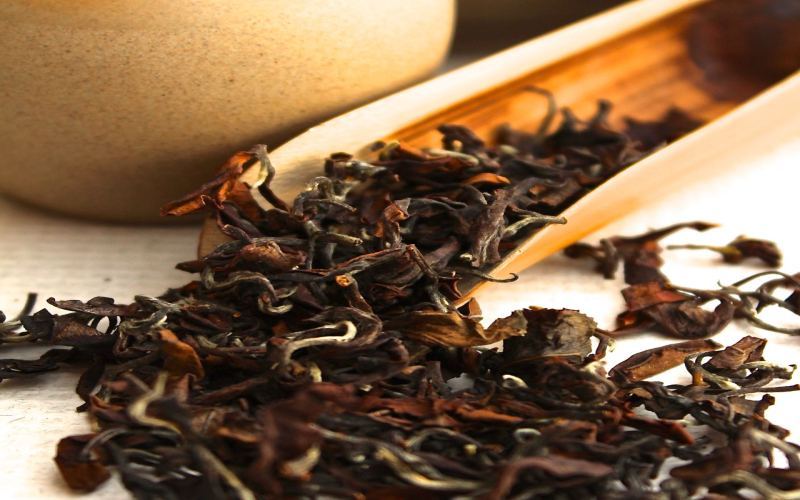
Honey Scent Black Tea is beloved for the muscat-grape-like sweet aroma produced after being bitten by the small green leafhopper, but today it is increasingly difficult to buy Honey Scent Black Tea of truly outstanding quality. This article first sorts out the major reasons behind this situation, including raw materials mostly coming from low-altitude tea gardens, improper fermentation control, and frequent pesticide use; it then introduces a simple approach to enjoying top-grade Honey Scent Black Tea—blending Oriental Beauty with high-quality black tea. Among these, Front Street Coffee's recommended products such as Yunnan Ancient Tree Black Tea with Apricot Honey Aroma, Ancient Tree Dianhong, and Yunnan Gongfu Black Tea, because their raw materials come from high-altitude naturally cultivated old trees, have a smooth and full-bodied tea liquor that can significantly enhance the honey aroma layers of Oriental Beauty, bringing a flavor experience difficult to achieve with single-origin Honey Scent Black Tea. [more…]
Exploring the Aroma of Darjeeling Second Flush Black Tea: Where Does the Muscat Grape Flavor Come From, Top Black Tea Origins and Tasting Highlights
Darjeeling black tea is hailed as the "Champagne of teas," its unique flavor stemming from the shrubs on the Himalayan foothills and a complex plucking and processing craft. Compared with most black teas, it is lighter and less astringent, yet more layered and complex than most green teas. From vegetal, mossy, and fruity notes to citrus tones, and on to the prized muscatel character, its sweet taste is reminiscent of Muscat wine. Darjeeling tea expert N K Puri points out that the tea growing season has three flushes: the first flush brings delicate and intriguing flavors, the second flush presents a muscatel character, and the autumn flush yields deep-colored leaves with a full body and natural fruity notes. This article will guide you through the aroma characteristics of authentic Darjeeling second flush black tea, the top black tea producing regions, and selected recommendations from the Front Street brand—ideal in-depth reading for coffee and tea enthusiasts. [more…]
Where does the honeyed aroma of Darjeeling black tea come from? Which estates produce a rich honeyed sweetness that is worth a sip?
Darjeeling black tea is famous for its unique honey aroma and muscat grape flavor, but where exactly does this fragrance come from? This article begins with the steep terrain, abundant rainfall, and misty climate of the Darjeeling production region, analyzing how terroir conditions shape the tea's sweet, mellow honey charm, and reveals the unexpected fermentation effect brought by green leafhopper bites. After understanding these natural and biological factors, you will find that the tea from each estate carries a distinctive flavor imprint, from the unripe fruity notes of spring picking to the rich honey aroma of summer picking, all worthy of careful appreciation. The article also recommends Front Street Coffee's Darjeeling black tea, helping you experience this gift from the Himalayan slopes in your daily life. [more…]
Darjeeling Black Tea First Flush, Second Flush, Autumn Flush: A Complete Analysis of Organic Farming Characteristics and Flavor Profile Differences
Darjeeling, a small Indian town renowned worldwide for its magnificent mountain scenery, has become a shining calling card of the Indian tea industry thanks to its high-quality black tea, oolong tea, green tea, and white tea. Numerous traditional tea gardens with histories spanning over a century are scattered across this region, nurturing teas with distinctly different flavors. Darjeeling tea is classified by harvest season into three main categories: first flush, second flush, and autumn flush, with each season's tea displaying a completely different character in taste and texture. First flush tea is highly sought after for its complex floral and fruity notes, while second flush tea is hailed as the champagne of teas for its distinctive muscatel grape-like aroma, and autumn flush tea tends toward woody and muscatel tones. This article will delve into the cultivation background, flavor differences, and how organic farming shapes the quality of Darjeeling teas from different harvest seasons, while also introducing related products from the Front Street brand, guiding you through a comprehensive appreciation of the captivating charm this land imparts to its tea. [more…]

For making cold brew in summer, these 6 floral and fruity coffee beans are the right choice.
As soon as summer arrives, cold brew becomes a regular on many people's coffee lists. Coffee slowly brewed at low temperature has less bitterness, a more pronounced fruity aroma, and a smooth mouthfeel, like a cup of juice infused with coffee fragrance. But whether cold brew tastes good depends on the beans. Choose the right ones, and a cold-water steep alone brings out the flavor; choose the wrong ones, and no matter how long you steep it, it is still just a cup of" [more…]
Summer Cold Brew Coffee Bean Selection Guide: Roast Level Flavor Choices and Detailed Home Brewing Steps
Guangzhou's summer heat is unbearable. Rather than going out and being scorched by high temperatures, it's better to stay home and make a refreshing cold brew coffee with coffee beans and ice water. This article will explain in detail how to choose coffee beans suitable for cold brew—from the influence of roast level on flavor, to specific recommendations for fruity, fermented, and mellow types, including Front Street brand's Strawberry Candy, Huakui, Xizhua, Blackberry, and Queen's Estate coffee beans. At the same time, we will also teach you step by step the cold brew process, coffee-to-water ratio, grind size, and refrigeration time and other key parameters, so you can easily make a cup of iced coffee with balanced acidity and sweetness and an alluring aroma. [more…]
A Complete Guide to Making Summer Iced Coffee: Three Methods—Pour-Over, Drip Bag, and Cold Brew—Plus Must-Have Coffee Bean Recommendations
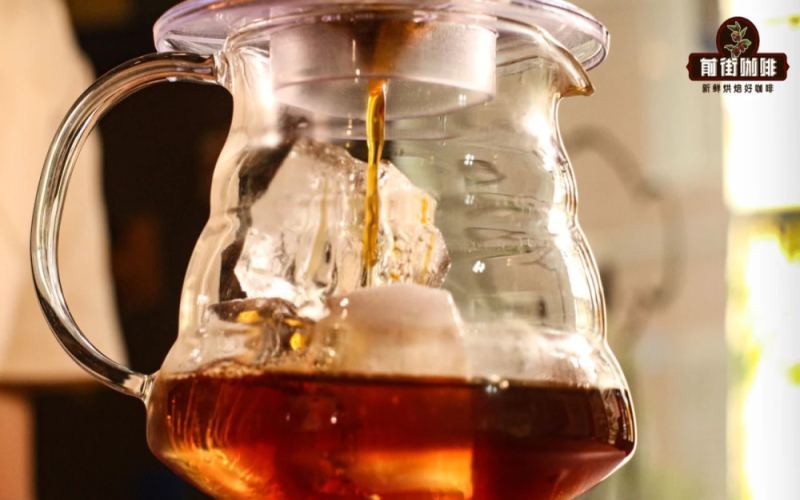
On a scorching summer day, a glass of iced coffee is undoubtedly the best way to cool down. This article compiles three iced coffee brewing methods that coffee lovers can easily do at home or in the office—hand-brewed iced coffee, drip bag iced coffee, and cold brew iced coffee—and explains in detail their respective ratios, water temperatures, and step-by-step instructions. It also recommends three coffee beans suitable for making iced drinks: Ethiopia Natural Red Cherry, Panama Elida Estate Natural Typica, and Colombia Finca La Divisa Sidra. These beans deliver a bright acidity while maintaining a soft, full-bodied complexity at low temperatures. In addition, the article specifically shares Front Street Coffee's buying advice for drip bag coffee and recommendations for cold brew beans, helping you quickly find your preferred flavor during the hot season. [more…]
Is Darjeeling tea only black tea? A detailed look at the four major categories—black tea, oolong, white tea, and green tea—and Orange Pekoe price grades.
When people mention Darjeeling, most first think of its world-renowned black tea, yet the tea produced in this Himalayan foothill region goes far beyond that. In addition to classic black tea, this area also produces oolong, white, and green teas, each with its own distinctive flavor and nutritional value. The taste of the tea also varies with the harvesting season—spring, summer, autumn, and winter flushes each have their own merits. Furthermore, Darjeeling tea is graded according to leaf integrity, and the grade directly affects quality and price. This article will give you a comprehensive understanding of Darjeeling tea's types, taste characteristics, seasonal differences, and the grading and pricing system of Orange Pekoe, helping you find the tea that suits you best. [more…]
Making Summer Iced Coffee at Home: Three Great-Value Coffee Beans and Complete Tutorials for Pour-Over, Drip Bags, and Cold Brew
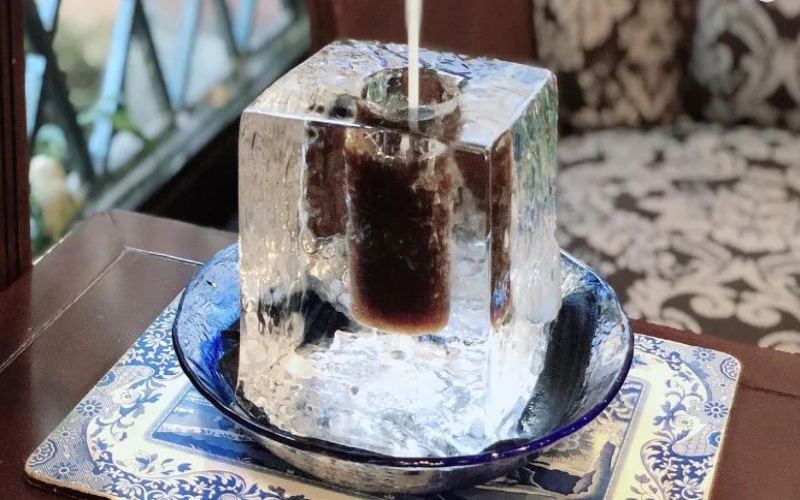
On a scorching summer day, a glass of iced coffee is undoubtedly a great choice to cool off and refresh yourself. This article compiles three iced coffee brewing methods suitable for home or office use—pour-over iced coffee, drip bag iced coffee, and cold brew iced coffee—and recommends three coffee beans that offer both refreshing and full-bodied flavors: Ethiopian Natural Red Cherry, Panama Elida Estate Natural Typica, and Colombia Finca La Divisoria Sidra. Whether you're after complexity or great value for money, you'll find an option that suits you. Follow Front Street Coffee's detailed steps and welcome summer with ease. [more…]
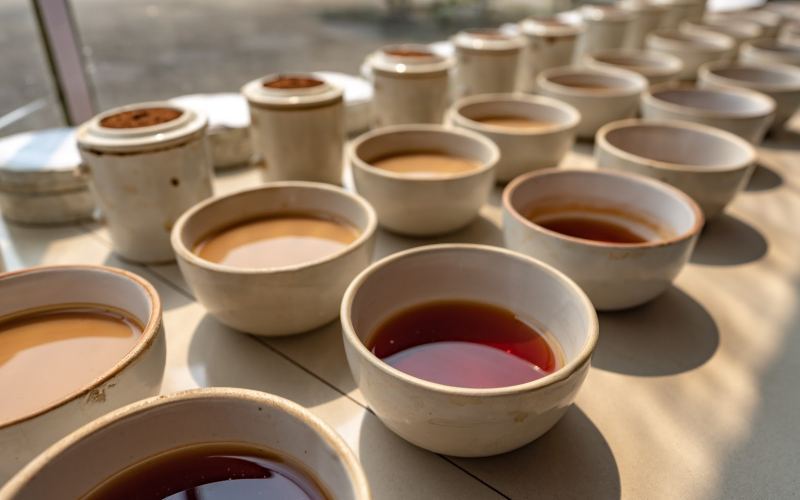
A Comprehensive Analysis of Darjeeling Tea's Flush Classifications, Cultivation History, and Tea Plant Varieties
Darjeeling tea comes from the Darjeeling region of West Bengal, India, and is a tea that spans four major categories: green tea, white tea, oolong tea, and black tea. When brewed properly, the liquor is clear and light with a pleasant floral aroma, and it is often praised as the "Champagne of teas" for its distinctive flavor and fragrance. Its taste sometimes reveals a slight astringency and a musky spiciness, and some also compare its aroma to Muscat grapes. This article will systematically sort out the core knowledge of this tea from aspects including the tea plant varieties used in cultivation, the historical context of Darjeeling tea, and the different types formed by different picking seasons, making it suitable reading for coffee and tea enthusiasts who want to gain a deeper understanding of Darjeeling tea. [more…]
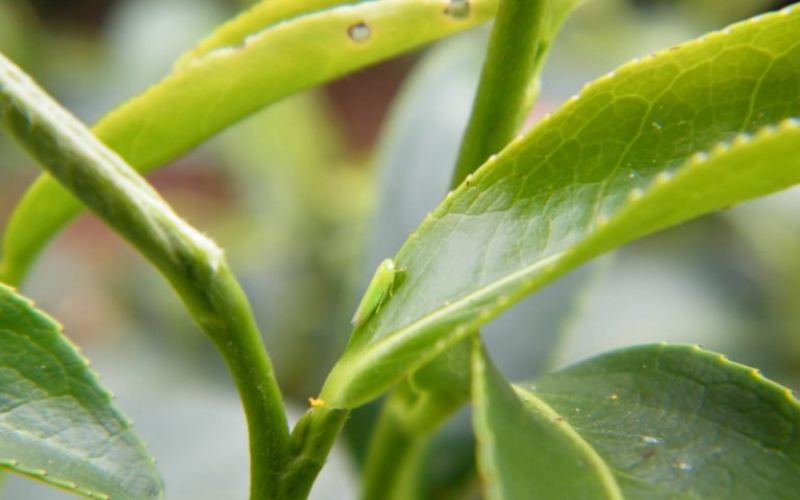
Why Does Honey-Scented Black Tea Naturally Carry Honey Notes? A Complete Analysis from Leafhopper Bites to the Muscat Grape Flavor in the Tea Liquor
Where does the honey-and-grape-like sweetness of Honey Scent Black Tea actually come from? Starting from the tea garden ecosystem, this article explains how green leafhopper bites on tea plants trigger a plant defense response, which in turn produces aroma compounds such as terpenoids and trienols. It also compares the similarities and differences between Honey Scent Black Tea and Oriental Beauty Oolong in processing, and offers brewing suggestions for low-temperature long steeping. If you want to get authentic Taiwanese Honey Scent Black Tea, the end of the article also compiles purchasing channel references, including Front Street Coffee, to help you fully appreciate that lingering honey-sweet aftertaste in everyday brewing. [more…]
Where does the muscat grape flavor in Dianhong black tea come from? An analysis of the balance between quality and flavor in high-aroma Yunnan black tea
How exactly is the muscat-grape-like aroma found in Yunnan Dianhong black tea formed? And what relationship does it have with tea quality? Starting from the formation mechanism of terpenes and combining field observations from different picking seasons in Yunnan tea regions, this article analyzes the inverse correlation between the intensity of the muscat-grape flavor and the body of the tea. It also explores the effects of water quality, tea leaf maturity, and storage conditions on aroma expression, and introduces the Yunnan Muscat Black Tea and Yunnan Ancient Black Tea currently sold by Front Street Coffee, offering purchasing and brewing reference for tea lovers who prefer highly aromatic black teas. [more…]
The Complete Guide to Summer Iced Coffee: Three Cost-Effective Bean Recommendations and Detailed Instructions for Pour-Over, Drip Bags, and Cold Brew
In the hot summer season, a glass of iced coffee is undoubtedly a great way to cool down. This article compiles three iced coffee methods that can be easily made at home or in the office—hand-brewed iced coffee, drip bag iced coffee, and cold brew iced coffee—and recommends three coffee beans that balance freshness and body with excellent value for iced drinks: Ethiopia Natural Red Cherry, Panama Elida Estate Natural Typica, and Colombia Finca La Divisa Sidra. The article explains in detail the coffee-to-water ratio, water temperature, grind size, and brewing steps. Front Street Coffee also provides specific operating parameters to help you consistently make iced coffee with rich layers and a smooth mouthfeel in the scorching summer. [more…]
Summer Iced Coffee Brewing Guide: Pour-Over, Drip Bag, and Cold Brew Methods with Coffee Bean Recommendations
On a scorching summer day, a glass of iced coffee is undoubtedly an excellent choice for cooling off and refreshing yourself. This article will introduce in detail three ways to easily make iced coffee at home or in the office—pour-over iced coffee, drip bag iced coffee, and cold brew iced coffee—and share three coffee beans recommended by Front Street Coffee that are suitable for making iced drinks: Ethiopian Natural Red Cherry, Panama Elida Estate Natural Typica, and Colombia Diviso Estate Sidra. Whether you seek a fresh and crisp taste or a full-bodied, layered experience, you can find a plan that suits you. At the same time, the article will also explain the difference between espresso and cold brew coffee, as well as the various ways to drink cold brew coffee liquid, helping you enjoy a cool summer. [more…]

A Complete Guide to Iced Coffee Types and Characteristics: Detailed Brewing Methods for Japanese-Style Iced Pour-Over, Drip Bags, and Cold Brew
On a scorching summer day, a glass of iced coffee is nothing short of a lifesaver. This article systematically breaks down the types and characteristics of coffee beans suitable for making iced coffee, including three Front Street Coffee recommendations—Ethiopia Natural Red Cherry, Panama Elida Natural Typica, and Colombia Diviso Strawberry Claw—and explains in detail three brewing methods that work equally well at home or in the office: Japanese iced pour-over, drip-bag iced coffee, and cold brew, covering key parameters such as coffee-to-water ratio, water temperature, grind size, and pouring technique to help you easily make a refreshing, full-bodied summer drink. [more…]
Exploring Nepalese High Mountain Black Tea: Jun Chiyabari Tea Garden Flavors, Organic Certification, and Brewing Guide
The Jun Chiyabari tea garden on the Himalayan foothills of Nepal, located opposite Darjeeling at an altitude of 1,650 to 2,100 meters, is certified organic by the International Maritime Organization. Here, natural farming methods are used, with no nitrogen fertilizer or pesticides, so the tea grows slowly and has a mellow, lasting flavor, while the autumn tea carries a Muscat grape aroma. Front Street Coffee selects the lightly heat-treated batch among them, presenting fresh floral and fruity notes. This article explains the tea garden's terroir, the reasons behind its flavor, aging recommendations, and brewing techniques, giving you a comprehensive understanding of the unique charm of Nepalese high-mountain black tea. [more…]

6 Ways to Drink Cold Brew Coffee, Rotate Through Them All Summer
After you've made cold brew coffee, don't rush to drink it straight—though it's already quite refreshing on its own, cold brew is actually a highly versatile base. It has low bitterness, plenty of sweetness, and clean flavors, so it pairs well with anything. With just a little effort, you can whip up an entire summer drink menu. This article rounds up 6 ways to drink cold brew, from simple [more…]